

Rummy Game Modes

A practical comparison of Points Rummy, Pool Rummy, Deals Rummy, and Practice Play for learning the format.

Rummy Game Modes visual guide

Points

Fast pace, rule awareness needed.

Pool

Longer format with point limits.

Deals

Fixed rounds and comparison.

Rummy modes tabs

Points Rummy is compact and useful after a player understands sequence and set checks.

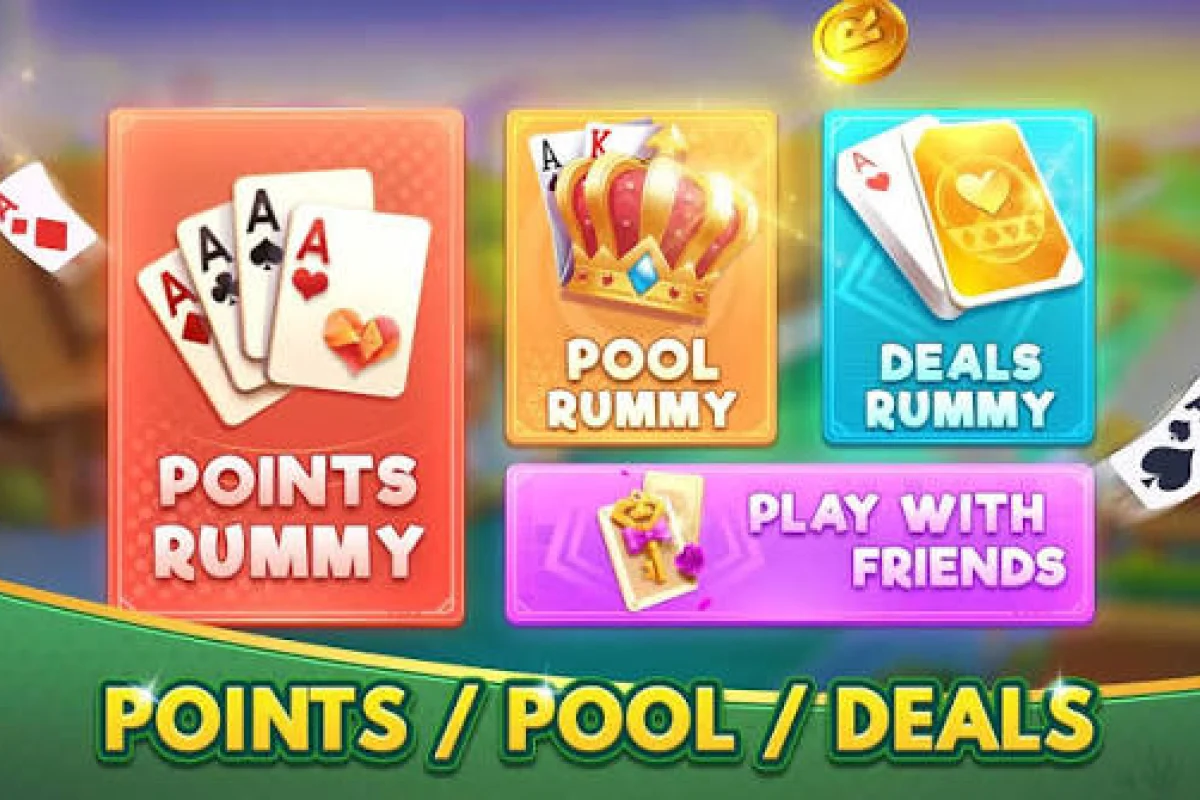
Points Pool Deals rummy mode comparison
Points Pool Deals rummy modes visual

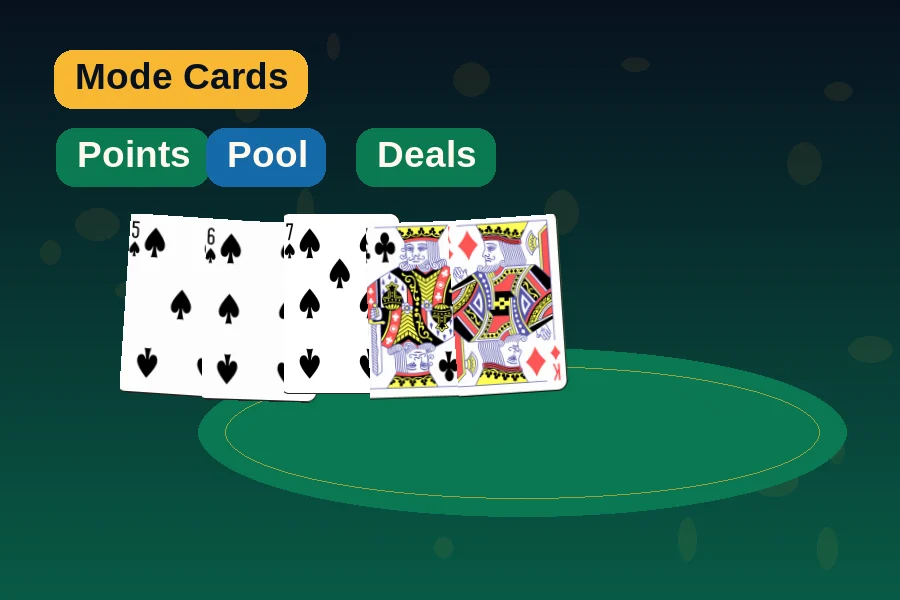
Mode labels

A visual reference for Points, Pool, and Deals format names.

Indian rummy card visual

Indian rummy context

A generic Indian rummy visual for understanding the card-game category.

Spade card sequence visual

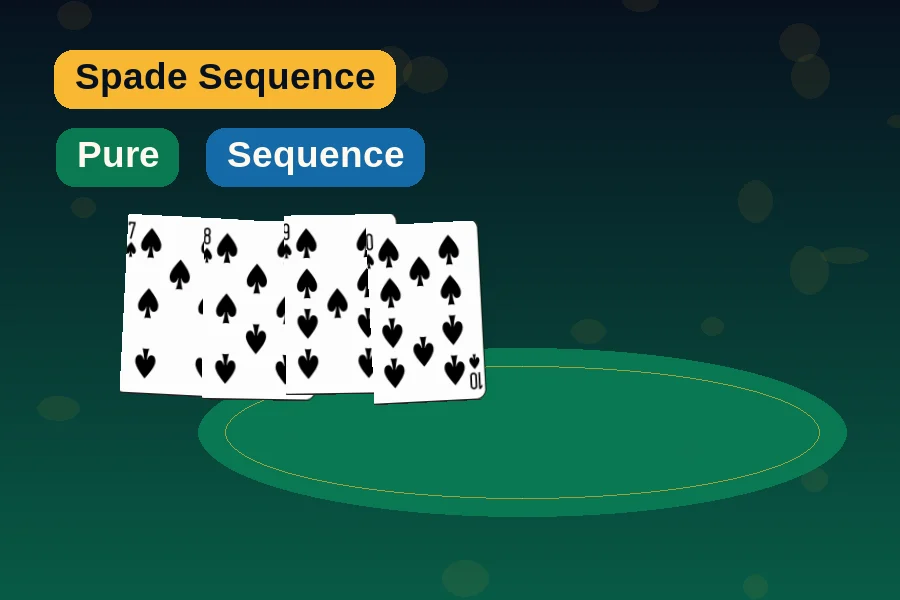
Sequence focus

Card runs are easier to compare when suits and ranks are grouped clearly.

Rummy title card visual

Rummy visual cue

A supporting card-game visual used only for page illustration.

ModeBest ForPaceBeginner FriendlyNotes
PointsQuick rule checksFastAfter basicsDo not rush declaration.
PoolLonger scoring awarenessSlow to mediumModerateSet time limits first.
DealsLimited-round comparisonMediumModerateTrack round rules carefully.
PracticeLearning card groupsFlexibleYesBest first mode for learners.

Begin with Practice

New players should learn sequence, set, joker, and declaration basics before faster formats.

Move to Points Later

Points format is easier to observe once a player can check hand validity.

Read Pool Rules

Pool format can run longer, so local rules and time boundaries matter.

Rummy game modes explained

Points, Pool, Deals, and Practice Play use similar card grouping ideas but different pace and scoring structures. Beginners should learn the rules first, then compare modes.

Beginner recommendation

Practice-style learning is usually the best first step because it lets users understand sequences, sets, jokers, and declarations before faster formats.

Read How to Play Rummy before comparing formats, then open the FAQ for quick answers.

Explore App Guide 18+ · Information Only