

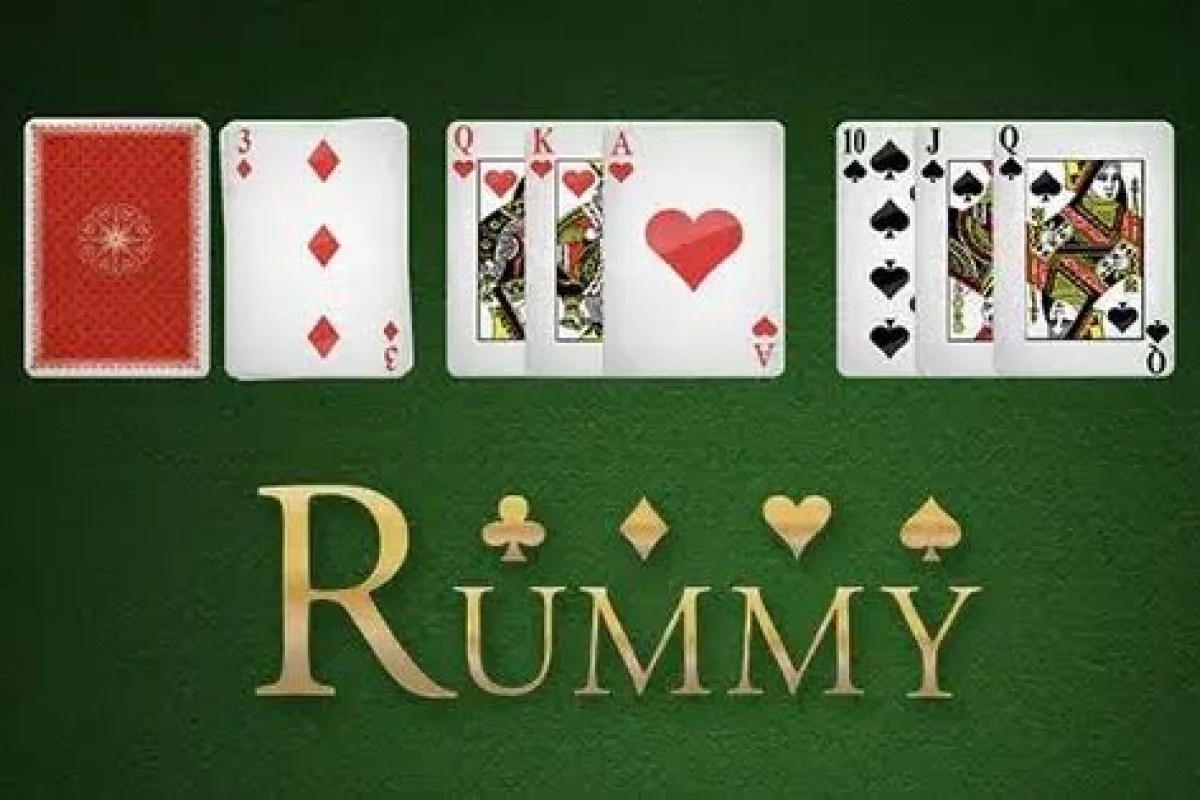
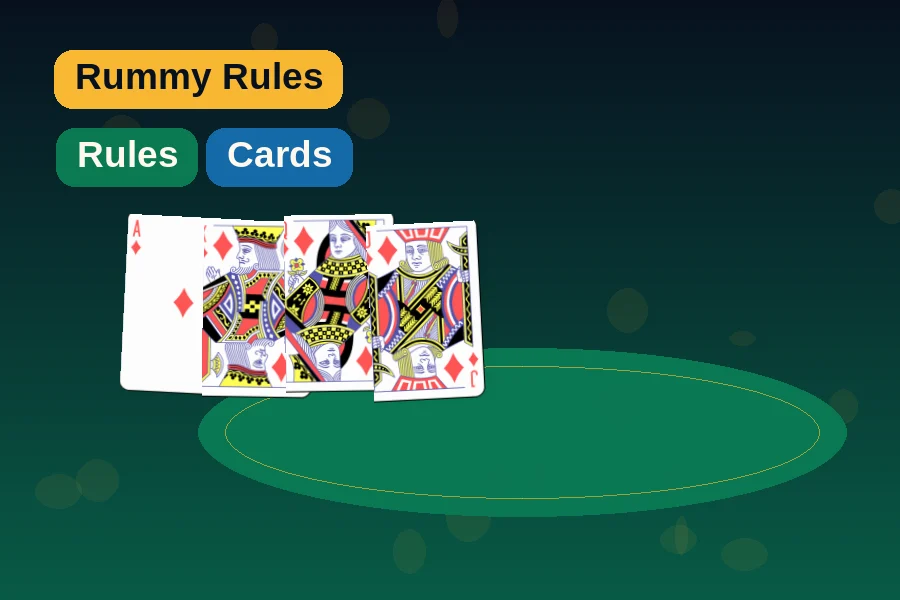
How to Play Rummy

Learn how a 13-card rummy hand is grouped into pure sequence, impure sequence, valid set, joker use, and declaration checks.

13 card rummy hand with sequence and set examples

Rules Education

How 13-card rummy hands are grouped

A 13-card hand is not only about matching cards. You first look for a pure sequence, then organise the remaining cards into sequences or sets before checking declaration rules.

18+ only. Follow local rules. This page is for information, not financial or legal advice.

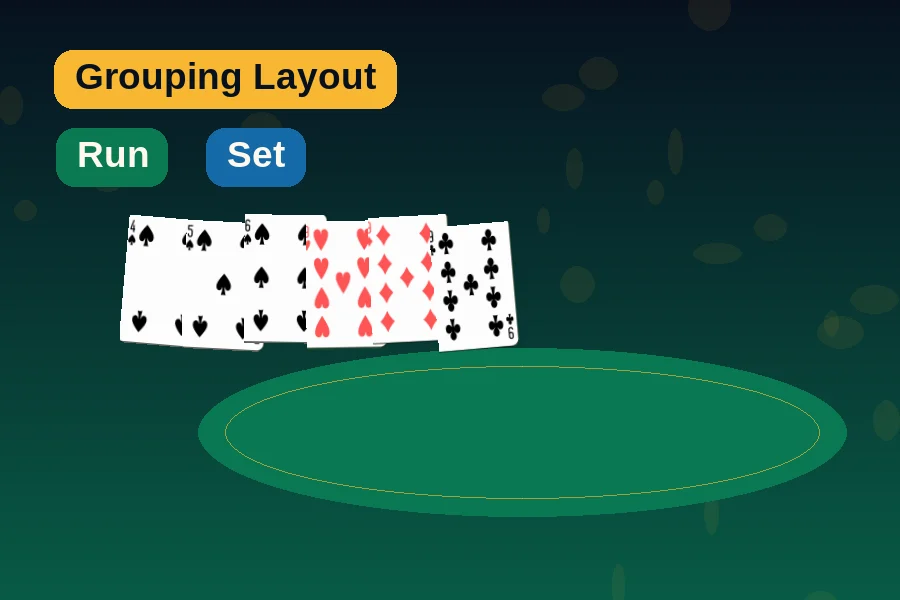
13 card rummy grouped hand with sequence and set examples

Pure Sequence

A pure sequence is a same-suit run without a joker. Example: 7S 8S 9S. Beginners should usually identify this group first because a missing pure sequence can make a declaration invalid.

Impure Sequence

An impure sequence uses a joker or wild card to complete a run. Example: 4H 5H Joker. It helps complete the hand, but it does not replace the need for a pure sequence.

Valid Set

A set uses cards of the same rank from different suits. Example: QC QH QS. Do not repeat the same suit inside one set.

Joker Usage

A joker becomes more useful after the pure sequence is planned. New players often waste jokers early, so compare where it completes a group and where it hides a weak hand.

Declaration Checklist

Before declaring, check pure sequence, all remaining groups, set suits, joker placement, and any table-specific rule shown for that format.

7S8S9SPure sequence
4H5HJokerImpure sequence
QCQHQSValid set
Rummy hand sorted into sequence set and joker groups

Sorting the hand

Group cards by suit and rank first. The pure sequence should be easy to spot before using jokers elsewhere.

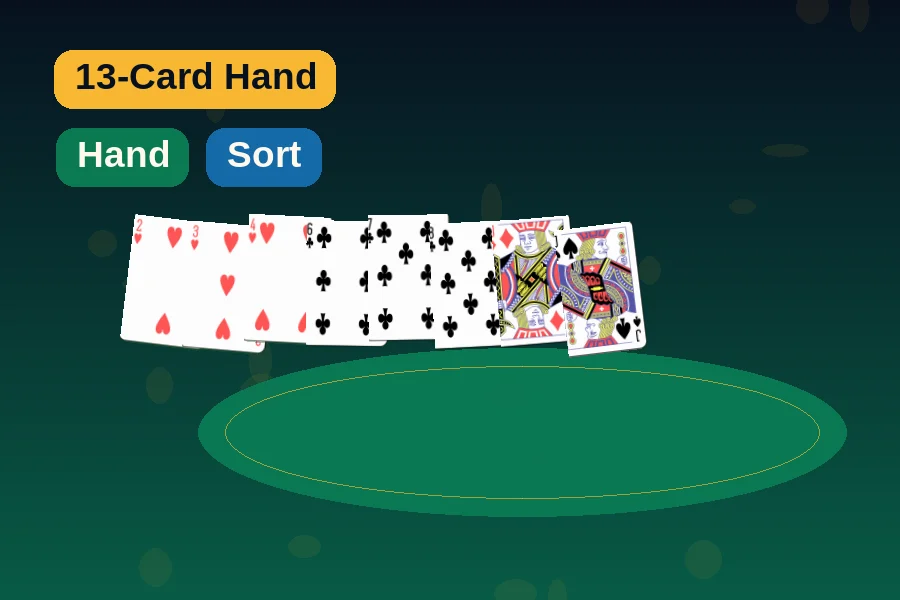
Thirteen card rummy hand arranged for beginner grouping

Reading all 13 cards

Look at the full hand before discarding. One useful group can be hidden if cards are not sorted properly.

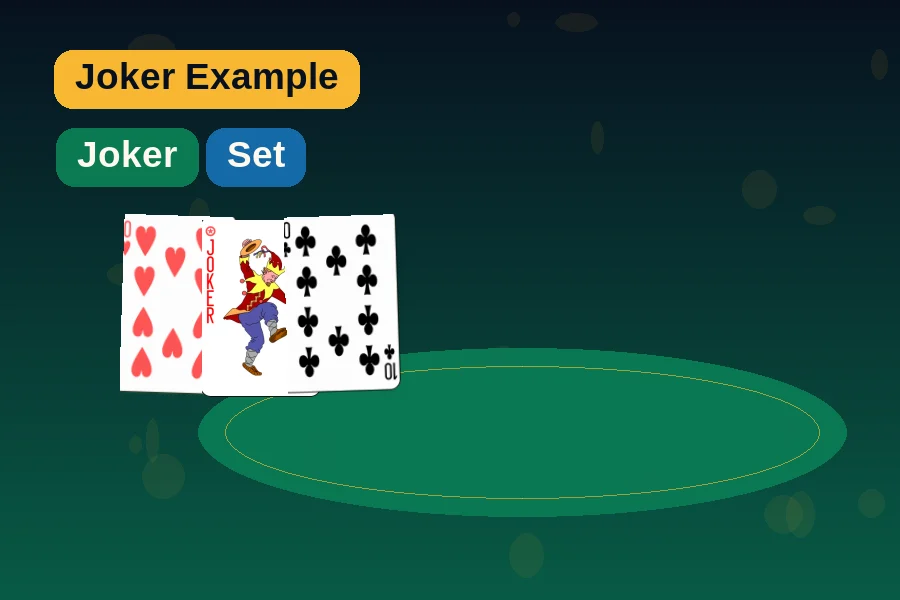
Joker placed after pure sequence planning in rummy

Joker placement

Use the joker to finish a group after checking whether a pure sequence already exists.

Rummy face cards compared by rank and suit

Rank versus suit

A sequence needs the same suit. A set needs the same rank from different suits.

Declaring without pure sequence

This is the beginner mistake that can make an otherwise neat hand invalid.

Using joker in the wrong group

A joker should complete a useful group, not distract from a missing pure sequence.

Keeping high cards too long

High cards can increase point exposure if the hand does not improve.

Confusing set with sequence

Same rank is a set; same suit in order is a sequence.

SequenceConsecutive cards from the same suit.
SetSame-rank cards from different suits.
JokerA wild card used to complete selected groups.
DeclarationThe final claim that every card group is valid.

How to play 13-card rummy

In 13-card rummy, the first task is arranging cards into meaningful groups. A beginner should usually search for a pure sequence first, then use the remaining cards for an impure sequence or set. This order matters because a missing pure sequence can affect declaration validity.

Card grouping basics

  • Pure sequence: same-suit run without joker, such as 7S 8S 9S.
  • Impure sequence: run completed with a joker, such as 4H 5H Joker.
  • Set: same-rank cards from different suits, such as QC QH QS.
  • Joker: useful after the pure sequence is already planned.

Valid declaration checklist

  • Is there at least one pure sequence?
  • Are all remaining cards grouped?
  • Are sets using different suits?
  • Is the joker placed correctly?
  • Have table-specific rules been checked?

Beginner mistakes

Common mistakes include declaring without a pure sequence, using a joker in the wrong group, keeping high-value cards too long, confusing set with sequence, and ignoring drop rules. Return to the RummyBaazi India rules overview when you need the broader reading path.

Explore App Guide 18+ · Information Only