

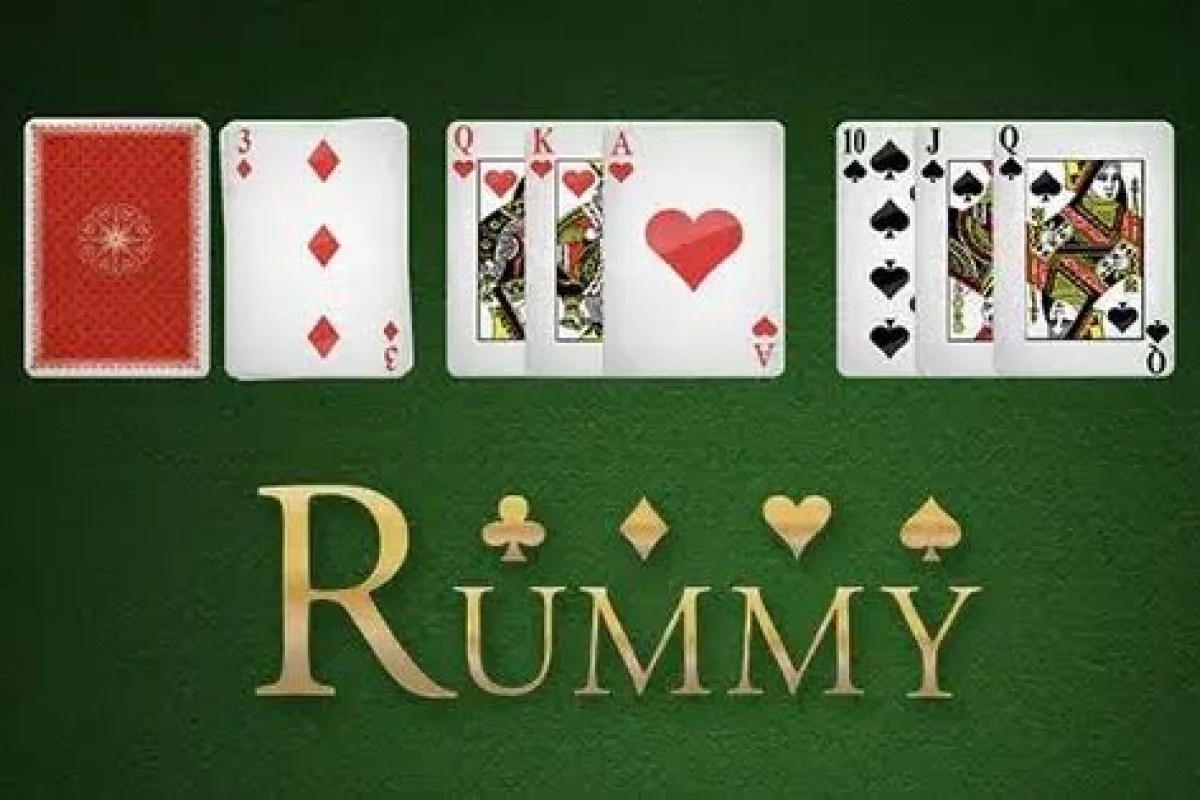
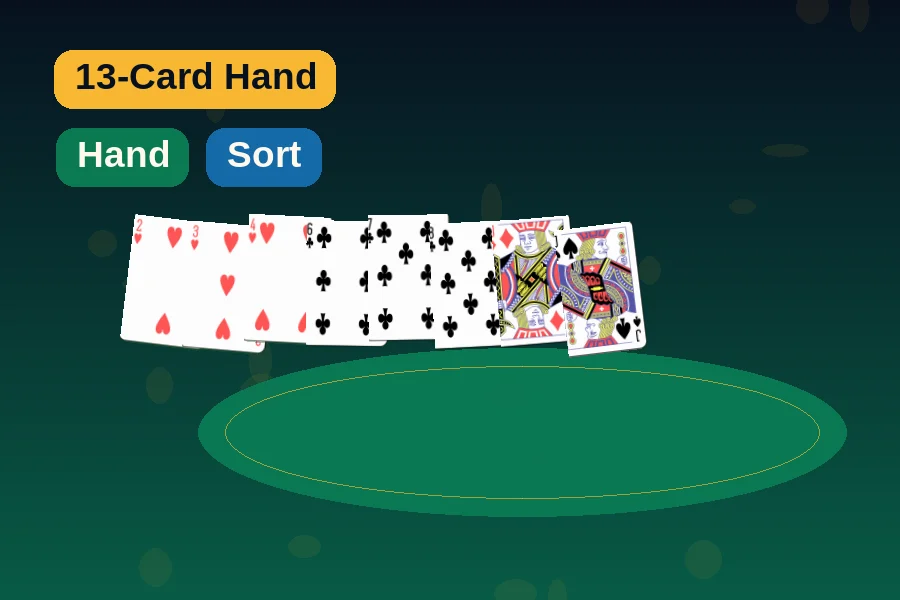
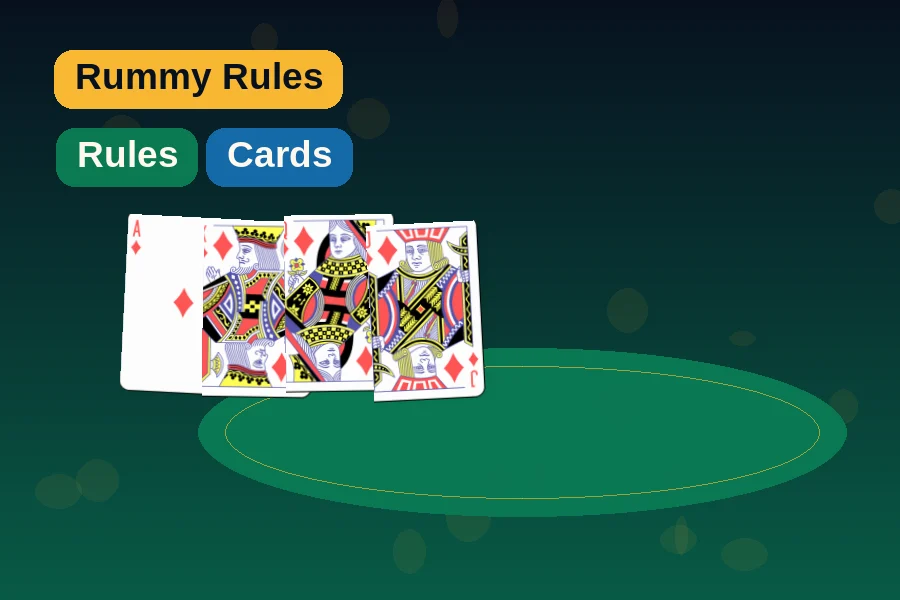
How to play 13-card rummy
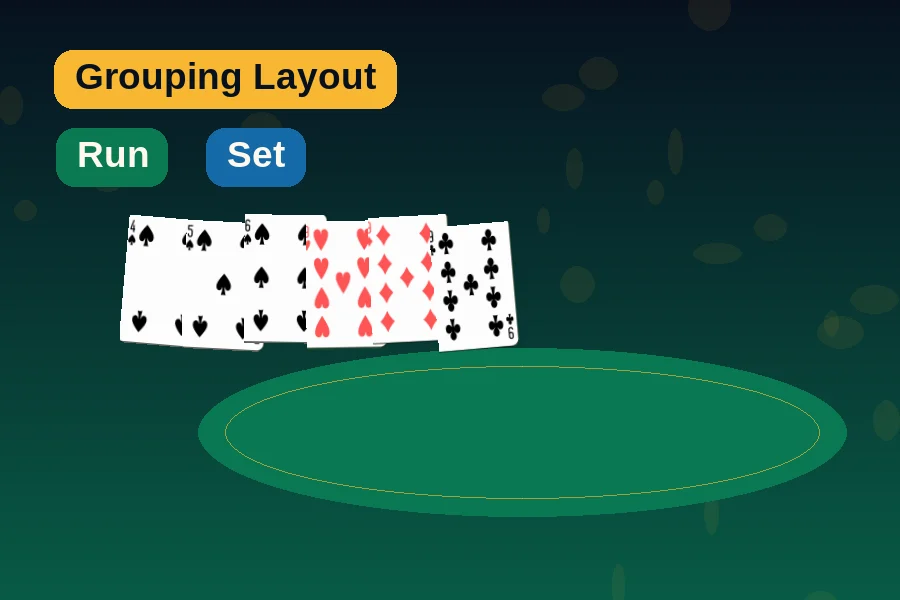
In 13-card rummy, the first task is arranging cards into meaningful groups. A beginner should usually search for a pure sequence first, then use the remaining cards for an impure sequence or set. This order matters because a missing pure sequence can affect declaration validity.
Card grouping basics
- Pure sequence: same-suit run without joker, such as 7S 8S 9S.
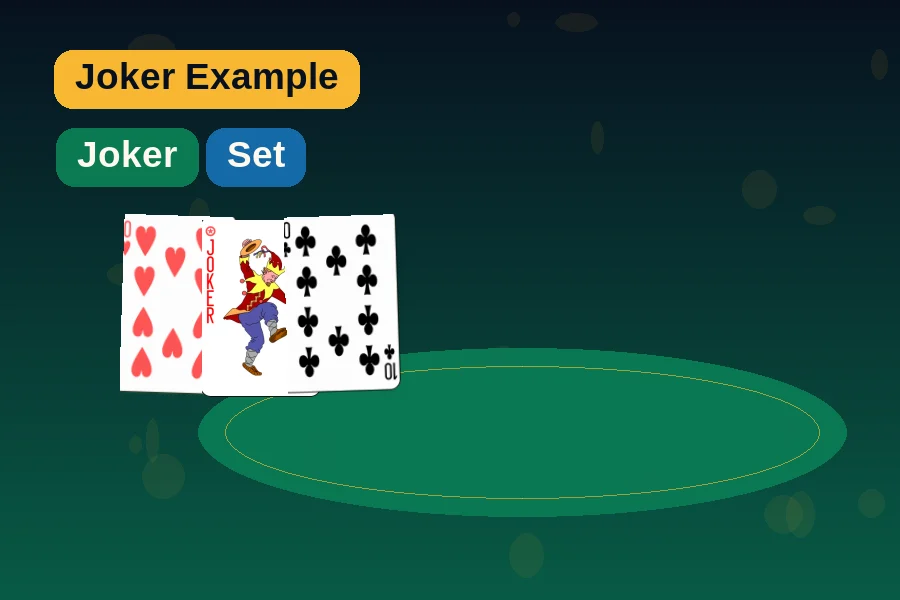
- Impure sequence: run completed with a joker, such as 4H 5H Joker.
- Set: same-rank cards from different suits, such as QC QH QS.
- Joker: useful after the pure sequence is already planned.
Valid declaration checklist
- Is there at least one pure sequence?
- Are all remaining cards grouped?
- Are sets using different suits?
- Is the joker placed correctly?
- Have table-specific rules been checked?
Beginner mistakes
Common mistakes include declaring without a pure sequence, using a joker in the wrong group, keeping high-value cards too long, confusing set with sequence, and ignoring drop rules. Return to the RummyBaazi India rules overview when you need the broader reading path.